The short answer
Flamenco at the Marbeuf Palace
What the flamenco show at the Marbeuf Palace in Alicante is like: the room, the performers, the palos you may hear, the seating tip and who it suits.
Book the palace flamenco show ↗Quick answer
It is a small, traditional flamenco show: dancers, singers and guitarists perform in what the organiser calls the old stables of the Marbeuf Palace, in Alicante's Santa Cruz quarter. The show lasts roughly ninety minutes. It is not a large theatre production. Reviewers praise the passion and the closeness of the room, and some say seat placement can block the view.
What kind of show it is
The ticket is for a traditional flamenco show with dancers, singers and guitarists. The organiser sets it in the old stables of the Marbeuf Palace, in the historic centre of the Santa Cruz quarter, and calls the atmosphere intimate. That tells you the scale: a small room where the performers are close, not a theatre with a distant stage. The show lasts about an hour and a half, and the booking calendar shows each day's start time, so you can choose a date that suits your other plans. The provider is Tablao Flamenco La Guitarrería Santa Cruz. This guide is independent. It lays out what the ticket describes and what the sources say about the setting, and it makes no claim to have sat in the room.
The palace and the quarter
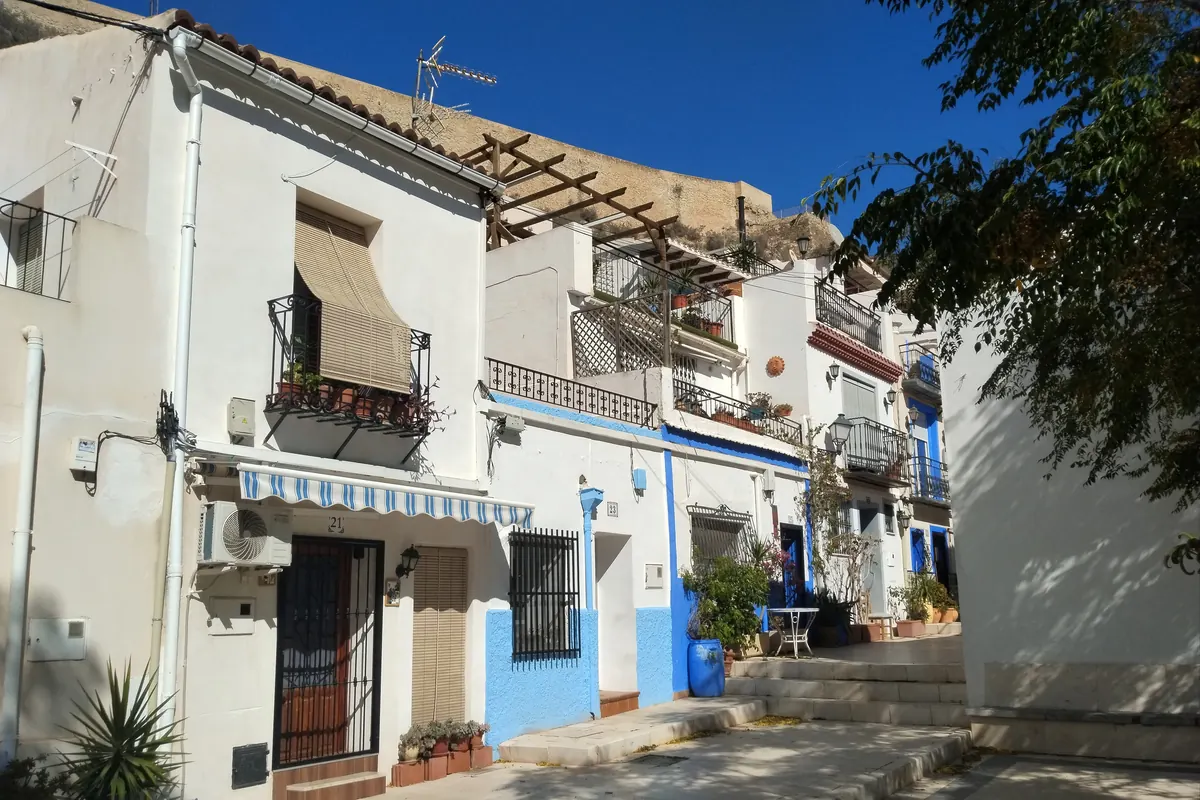
The show's address is Calle Maldonado 7. Alicante Plaza places the Marbeuf Palace at the corner of Calle Maldonado and Calle Capitán Boacio, and describes a three-storey building put up in the decades either side of 1800 that is recognised as a Bien de Relevancia Local, a local heritage designation. The organiser adds that the palace's old stables are the setting for the show. That is the only detail about the stables this guide relies on, so it does not guess at their past. For the streets around the door, including the hermitage at the top of the hill and the castle above it, see the guide to the Santa Cruz quarter, which also covers how to walk the slope.
Read next: Santa Cruz quarter and the show
Cante, baile and toque in one room
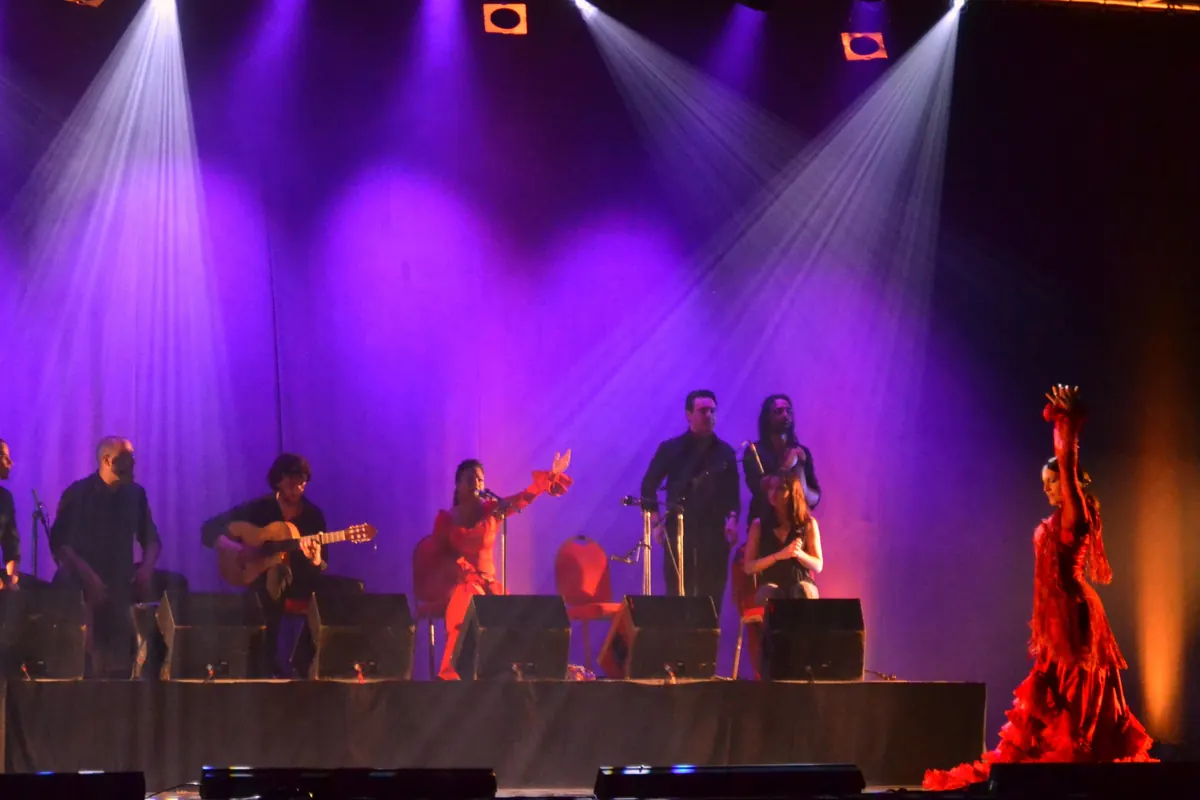
UNESCO's entry names three strands woven together: cante (song), baile (dance) and toque (musicianship). The ticket names the same three parts: singers, dancers and guitarists. Wikipedia gives the vocabulary: a singer is a cantaor, and flamenco guitarists are called tocaores. In a room of this size the three parts are easy to follow one at a time, the voice, the guitar and the feet, and then together. The guide to cante, baile and toque takes each strand in turn and shows how they interlock.
Read next: Cante, baile and toque explained
Flamenco in a small room
Wikipedia defines a tablao as a venue where flamenco is performed, and traces tablaos spreading across Spain from the 1960s as the cafés cantantes gave way. Drinks, tapas or meals may be served. UNESCO describes flamenco as an identity marker for many communities, above all the Gitano (Roma) people. It centres on Andalusia, with roots that reach into Murcia and Extremadura, and clubs, families and social circles hand it down. A small show in a historic room is one way visitors meet it.
Palos you may hear
Palos are the traditional forms flamenco is built from, and Wikipedia counts over 50 of them. It also says the classification is loose, with forms grouped by origin, mood and rhythm. The programme changes, and the ticket promises dancers, singers and guitarists, not a particular palo on a particular day. These are the forms the sources describe most clearly, so you can recognise them if they come up:
- Soleá: the root of a family of palos on a 12-beat cycle, most of them traditionally considered Romani in origin.
- Alegrías: part of the cantiñas group inside the soleá family.
- Seguiriyas: solemn, and part of the deep-song tradition known as cante jondo.
- Bulerías: described as fast and festive, and the emblematic palo of the compás.
- Tangos: in four-beat time, with tientos as a slower, more syncopated form.
Jaleo: the calls and the clapping
Flamenco is not silent around the edges. Wikipedia describes jaleo as the rhythmic clapping and vocal calls that encourage and support the performers, and calls it an integral part of the art. The calls include olé and así se baila, which means that is the way to dance. Clapping can be hollow, made with cupped hands, or sharp, made with stiff fingers against the palm. Whether the performers clap for each other, or the room joins in, differs from show to show. In a small room, take your cue from the room.
Seat placement: the one practical warning
Travellers' reviews say seat placement can block the view of the performers, and some ask for clearer seating information. Treat the view as something to plan for rather than assume. After you book, ask the provider through your confirmation where your party will sit, and say so if a good sightline matters to you. Mention any particular need, such as a child who needs a better view or a guest who finds it hard to hear. A small room brings closeness, but a column, a table or another guest can stand between you and the dancer. The question costs nothing, and it is worth asking before the day. If the provider can tell you the layout, you will know what to expect when you arrive.
Getting to the door on foot
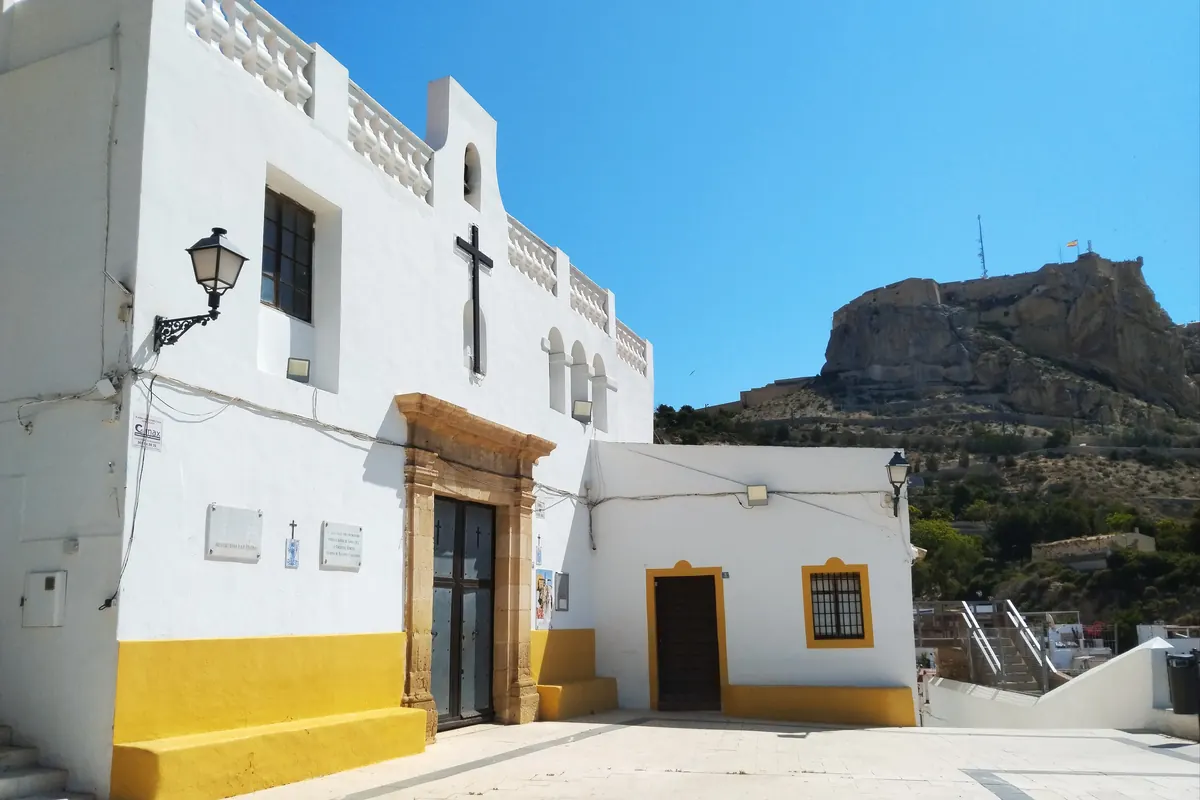
Alicante's tourism board says the Santa Cruz quarter can be reached only on foot, and that the route may be hard for people with reduced mobility. Barceló's visitor guide adds that the streets climb steeply and have many steps, so comfortable shoes are advised. The tourism board names the stops at Avenida Alfonso el Sabio and Rambla Méndez Núñez, and the Puerta del Mar stop, as the nearest public transport. Calle Maldonado sits in the old town according to Alicante Plaza, so look at the approach on a map before you leave. The hermitage at the top of the quarter has a lookout over the old town and the sea, a pleasant place to pause if you arrive early. The show carries a wheelchair-accessible tag on its booking page.
Booking the ticket
Pick a date in the calendar. Start times differ by day, and the email after booking shows yours, so you need not carry a time in your head. Choose the slot that leaves you room to walk to the door without hurrying. Cancelling is free until a day before the show, and nothing is due today, so a date can stay on hold while plans settle. Read the booking page for anything about food or drink on your date, and plan dinner around the show either way. The booking page carries a rating of 4.8 from 948 reviews.
Who this isn't for
Anyone wanting a dinner show, a large production with sets and a full company, or a guaranteed front-row seat should look elsewhere. The ticket is for a short, small-room show of about an hour and a half. It also suits you badly if you cannot manage steps and slopes and have not checked the approach with the provider. And if you want a long night out, build the rest of your night around it, because the show itself will not fill one. A food tour earlier in the day can round it out, as a separate booking with its own start times.
Frequently asked questions
What is the Marbeuf Palace flamenco show?
A traditional flamenco show with dancers, singers and guitarists, held in the old stables of the Marbeuf Palace in Alicante's Santa Cruz quarter. It runs roughly ninety minutes.
Where is it?
Calle Maldonado 7, in Alicante's historic centre. Alicante Plaza places the palace at the corner of Calle Maldonado and Calle Capitán Boacio.
Will I hear a particular palo?
No palo is promised, because the programme changes. This guide describes soleá, alegrías, seguiriyas, bulerías and tangos so you can recognise them.
Can I see well from every seat?
Reviews say seat placement can block views. Ask the provider through your booking confirmation where your party will sit.
Can I get a refund?
Yes, if you cancel at least a day ahead, and paying later is possible too.
Can wheelchair users attend?
The show carries a wheelchair-accessible tag on its booking page. Parts of the old town are steep, so ask the provider how to approach.
Sources
- Read 25 Oct 2026: Alicante Plaza article on the Palacio Marbeuf, read 25 Oct 2026
- Read 25 Oct 2026: Alicante tourism board entry for Santa Cruz, read 25 Oct 2026
- Read 25 Oct 2026: Barceló hotels' Santa Cruz neighbourhood page, read 25 Oct 2026
- Read 25 Oct 2026: UNESCO's inscription text for flamenco, read 25 Oct 2026
- Read 25 Oct 2026: English Wikipedia article on palos, read 25 Oct 2026
- Read 25 Oct 2026: English Wikipedia article on jaleo, read 25 Oct 2026
- Read 25 Oct 2026: English Wikipedia article on flamenco, read 25 Oct 2026